
half frosted glass
Understanding Snap Bore Gauges A Comprehensive Guide In the world of precision engineering, accurate measurement is pivotal. Among various tools used for this purpose, snap bore gauges stand out as essential instruments for assessing the internal dimensions of cylindrical objects. This article delves into the diverse aspects of snap bore gauges, including their construction, working mechanisms, applications, and benefits. What is a Snap Bore Gauge? A snap bore gauge is a specialized measurement tool designed to measure the internal diameters of holes, cylinders, and other cylindrical features with high precision. Unlike external measuring tools such as calipers, snap bore gauges are specifically tailored for internal dimensions, making them indispensable in fields such as manufacturing, mechanical engineering, and quality control. Construction of Snap Bore Gauges The typical snap bore gauge consists of a few key components 1. Body The main structure, often made of durable material like stainless steel, holds the gauge’s components. 2. Measuring Heads These are spring-loaded arms that expand to contact the internal surface of the bore or hole being measured. 3. Alignment Features Some models come equipped with alongside or centering points, allowing the user to precisely position the gauge within the bore. 4. Measuring Mechanism This includes the dial indicator or electronic display that shows the measurement readout, providing immediate feedback to the user. The design may vary depending on the specific type of snap bore gauge, but the underlying principle remains the same to facilitate accurate measurement of internal dimensions. Working Mechanism snap bore gauge Using a snap bore gauge involves a straightforward process. Here are the steps typically followed 1. Preparation Ensure that the gauge is clean and free from any debris that could affect measurement accuracy. If the gauge includes a calibration feature, check it before use. 2. Insertion Gently insert the snap bore gauge into the bore or hole. The measuring heads should be positioned so that they can contact the inner walls. 3. Expansion Activate the mechanism to expand the gauging tips. This usually involves pushing a trigger or turning a knob, allowing the measuring heads to make contact with the bore walls. 4. Measurement Once the measuring heads are in contact with the bore’s interior, the user can take note of the measurement displayed on the dial or digital readout. 5. Retrieval and Adjustment Carefully withdraw the gauge and assess whether further measurements are necessary. Repeat the process as required for different spots within the bore to ensure uniformity. Applications Snap bore gauges find extensive application across various industries, including - Manufacturing Ensuring that machined parts meet specified tolerances. - Automotive Industry Measuring engine block bores and other critical components. - Aerospace Checking the internal dimensions of precision components. - Quality Control Conducting inspections to maintain product standards. Their ability to provide immediate, accurate readings helps streamline production processes and maintain quality control, minimizing costs related to errors and rework. Benefits of Snap Bore Gauges 1. Precision Snap bore gauges provide highly accurate measurements, critical for applications demanding tight tolerances. 2. Ease of Use Even users with minimal technical expertise can operate these gauges effectively. 3. Versatility They can measure holes in various shapes and sizes, accommodating diverse industrial applications. 4. Durability Made from robust materials, snap bore gauges are designed to withstand the rigors of industrial environments. In summary, snap bore gauges are indispensable tools for anyone involved in precision measurement of internal dimensions. Their simple design, ease of use, and accuracy make them a favored choice in numerous applications, contributing significantly to the quality assurance processes in manufacturing and engineering. Understanding their function and capabilities can aid professionals in choosing the right tools for their measurement needs and consequently enhance the efficiency of their operations.
about
half frosted glass
Understanding the Metal Angle Ruler A Precision Tool for Every Craftsman In the world of craftsmanship and design, precision is key. Whether you are an architect sketching blueprints, an engineer working on prototypes, or a DIY enthusiast in your garage, the tools you use can significantly influence the quality of your work. Among these tools, the metal angle ruler stands out as an essential and versatile instrument that helps ensure accuracy and efficiency in various applications. What is a Metal Angle Ruler? A metal angle ruler, also known as a metal framing square or an angle finder, is a tool used to measure and lay out angles with precision. Typically made from durable materials such as stainless steel or aluminum, these rulers are designed to withstand the rigors of construction and design work. The surface is often etched or marked with measurements to enhance visibility, ensuring that users can read them easily even in low-light conditions. Features and Benefits One of the main advantages of using a metal angle ruler is its durability. Unlike plastic or wooden alternatives, metal angle rulers do not warp, bend, or break easily. This makes them long-lasting, which is particularly beneficial for professionals who rely on their tools day in and day out. Metal angle rulers are also inherently more precise than their counterparts. They feature a straight edge that allows for accurate measurements and are often marked in both imperial and metric units. This dual measurement capability makes them useful in a variety of contexts, whether you are working on small-scale projects at home or large-scale constructions. A key feature of metal angle rulers is their ability to measure both angles and straight lines. This provides a double function in one tool, saving space in your toolbox while enhancing efficiency . Many models also include a built-in protractor, enabling users to measure angles beyond 90 degrees easily. metal angle ruler Applications The applications of a metal angle ruler are numerous and varied. In the construction industry, it is an indispensable tool for framing walls, roofs, and other structural components. Carpenters may use it to ensure that their cuts are precise and that joints fit together perfectly. In the realm of engineering, designers utilize metal angle rulers to create detailed plans and prototypes, ensuring that every measurement adheres to strict specifications. Furthermore, metal angle rulers are not just limited to professional environments; they are equally beneficial for hobbyists and DIY enthusiasts. Whether you are working on a woodworking project, home renovations, or crafting models, having a reliable measuring tool can elevate the quality of your work. It enables you to create clean lines, accurate cuts, and ultimately, a finished product that reflects your skill and attention to detail. Maintenance and Care To ensure that your metal angle ruler continues to perform well over time, proper maintenance is essential. After each use, it is important to clean the ruler to remove dust, grime, and any other debris that could affect its precision. A simple wipe down with a soft cloth will usually suffice. For those with etched measurements, avoiding abrasive cleaners will help maintain the visibility of the markings. Moreover, storing the ruler properly can prevent damage. It is advisable to keep the ruler in a protective case when not in use, and avoiding exposure to moisture will help prevent rust on metal surfaces. Conclusion A metal angle ruler is more than just a measuring tool; it is a symbol of precision and craftsmanship. Whether in a professional setting or a personal workshop, this tool can significantly impact the quality of work produced. Its durability, precision, and versatility make it an invaluable addition to any toolkit. By understanding its features, benefits, and proper maintenance, craftsmen and enthusiasts alike can leverage the capabilities of the metal angle ruler to enhance their projects, ensuring that their work stands the test of time. In a world that values accuracy and excellence, investing in a quality metal angle ruler is a decision that will pay dividends for years to come.
-

High quality industrial productsagement

High quality industrial products
View Details -

Meet the diverse needs of customers

Meet the diverse needs of customers
View Details -

Strict quality control

Strict quality control
View Details -

Top raw materials

Top raw materials
View Details -

Trusted supplier

Trusted supplier
View Details
Our application

news and information
Y Type Strainer Future Innovations
The industrial landscape is continuously evolving, driven by technological advancements and the need
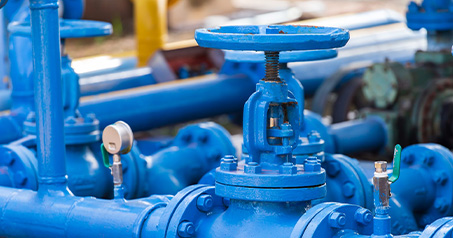
Valvola a ghigliottina 3 4 - Valvole di alta qualità per applicazioni industriali
Titolo La Valvola a Fune del 3% e del 4% Un Approfondimento sulle Valvole più Utilizzate . Ma cosa r
what is a smart water valve
What is a Smart Water Valve? In the era of smart home technology, many homeowners are looking for in
 English